Dual Higher Education in Germany

Since their inception in the 1970s, dual study programmes have been an integral part of the German educational landscape. Since then, this combination of vocational training and higher education has been characterized by strong development dynamics. A new article by Sigrun Nickel and Nicolas Reum from the CHE…

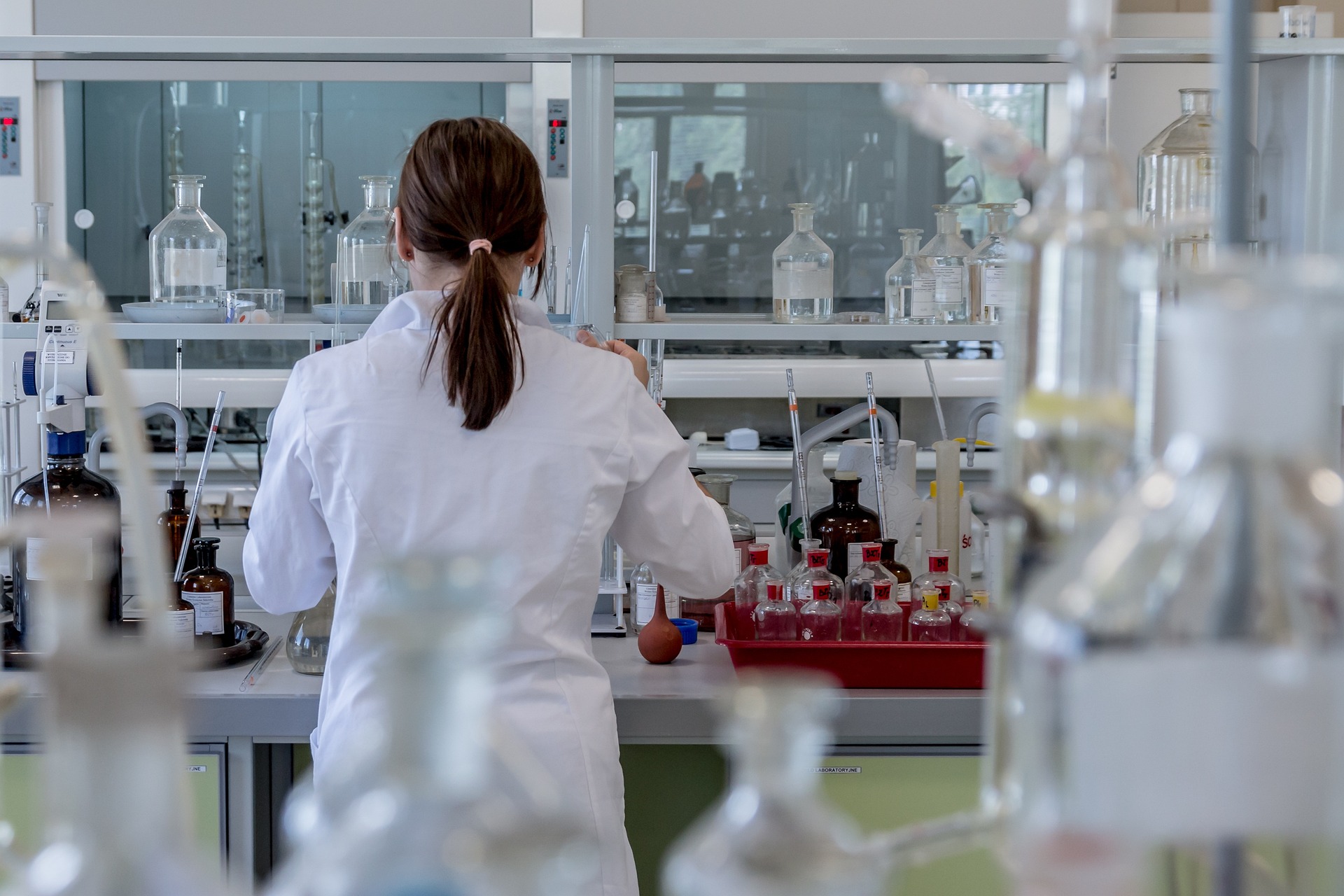
Chemistry has the highest doctoral degree rate of all subjects studied in Germany 

In chemistry, four out of five master's degrees lead to doctorates. Most doctoral theses are written in medicine. This is shown by a recent data report (‘DatenCHECK’) by the CHE Centre for Higher Education.  Highest amount of doctoral degrees in Medicine, with numbers on the rise.  Doctorates represent the highest academic degree that can…

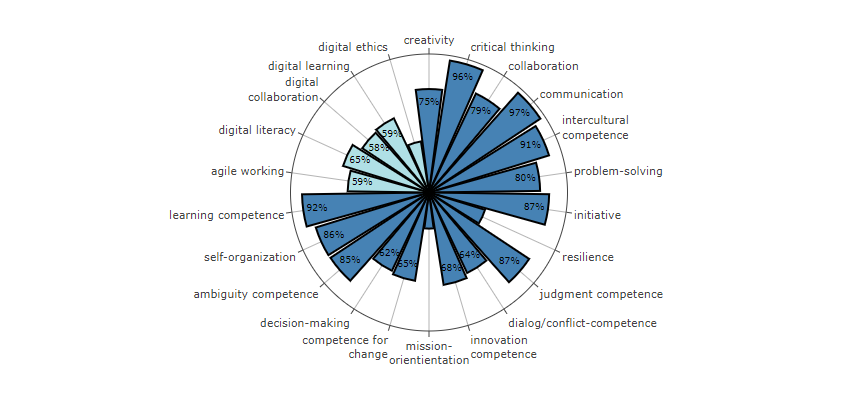
Future skills particularly strongly anchored in computer science, nursing science and romance studies 

Whether problem-solving skills, initiative, or digital collaboration: so-called future skills are among the competencies that are becoming increasingly important for participation in the labour market and society. For the first time, a DatenCHECK by the CHE  now offers a unique overview of how differently future skills are promoted in 30 subjects or subject…

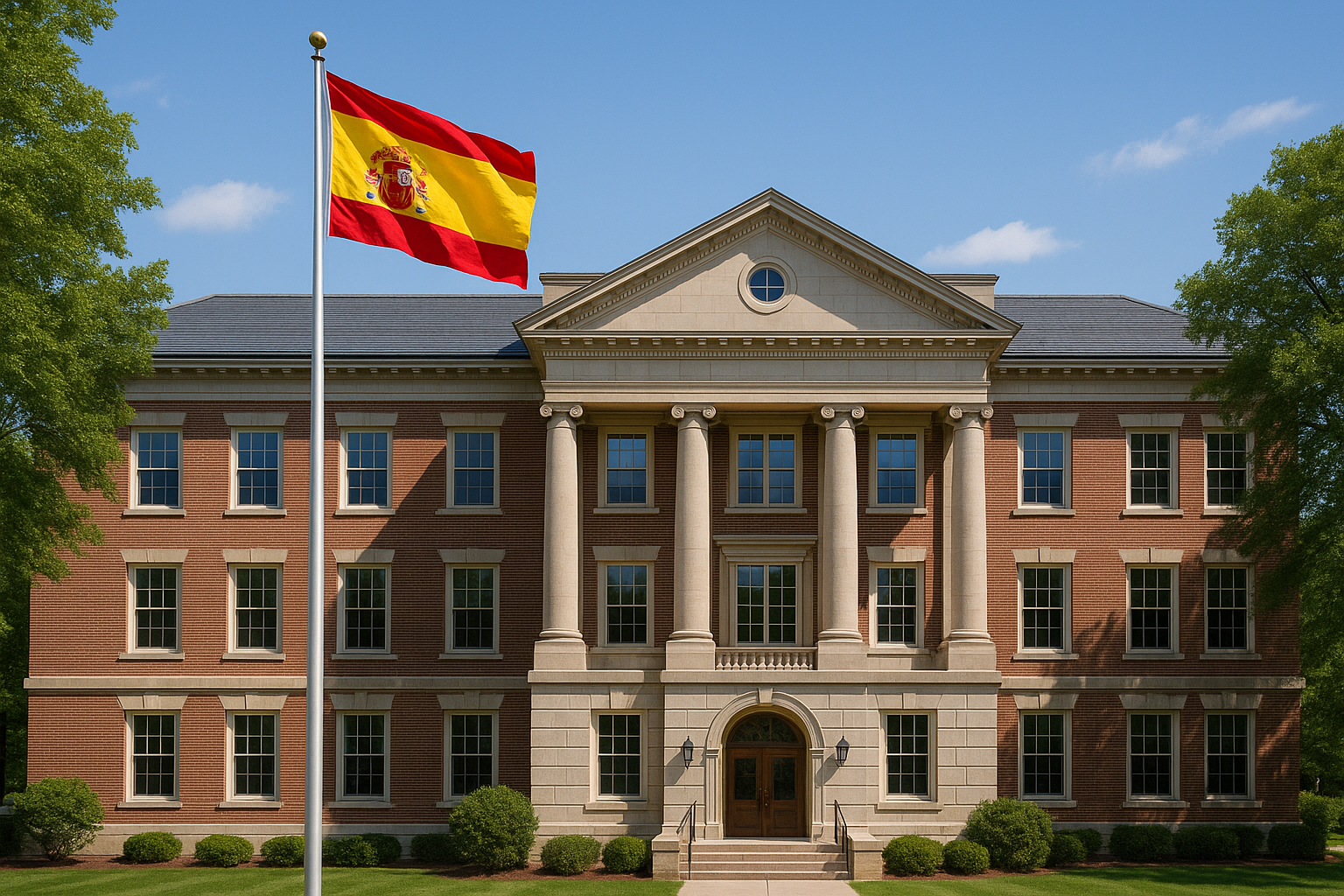
Student exchange: Spain is the most important partner country for German universities

Spain is the most important partner country for German universities when it comes to student exchanges. This is shown by a recent ‘DatenCHECK’ (data analysis) by the CHE Centre for Higher Education. When it comes to representative target universities for student exchanges, German universities most frequently name institutions…

How can science and higher education research and higher education management benefit from one another?

A new study by the CHE Centre for Higher Education presents concrete proposals for higher education management and the science and higher education research community and their associations and networks, as well as external funding bodies. The proposals aim to enhance knowledge transfer between the various areas. The…

A quarter of students in Germany use artificial intelligence on a daily basis

Artificial intelligence (AI) is increasingly becoming part of everyday student life at German universities. Around two thirds of students use AI tools such as ChatGPT at least once a week, a quarter even use them daily. The use of general research and translations varies greatly depending on the…